
floriancostas1
About floriancostas1
Private Air Flights: A Comprehensive Examine
Private air flights (https://privatejetcardreview.com/) have develop into an increasingly widespread mode of transportation for people and businesses searching for efficiency, privateness, and convenience. This report delves into the varied facets of private air travel, including its historical past, advantages, market tendencies, regulatory setting, and future outlook.
History of Private Air Travel
The roots of private air travel could be traced back to the early 20th century when aviation expertise began to advance. The primary private aircraft were usually owned by wealthy individuals or corporations and used for personal journey or business functions. Over the decades, the industry evolved, with the introduction of extra subtle aircraft and the establishment of fixed-base operators (FBOs) at airports, providing providers tailored to private flyers.
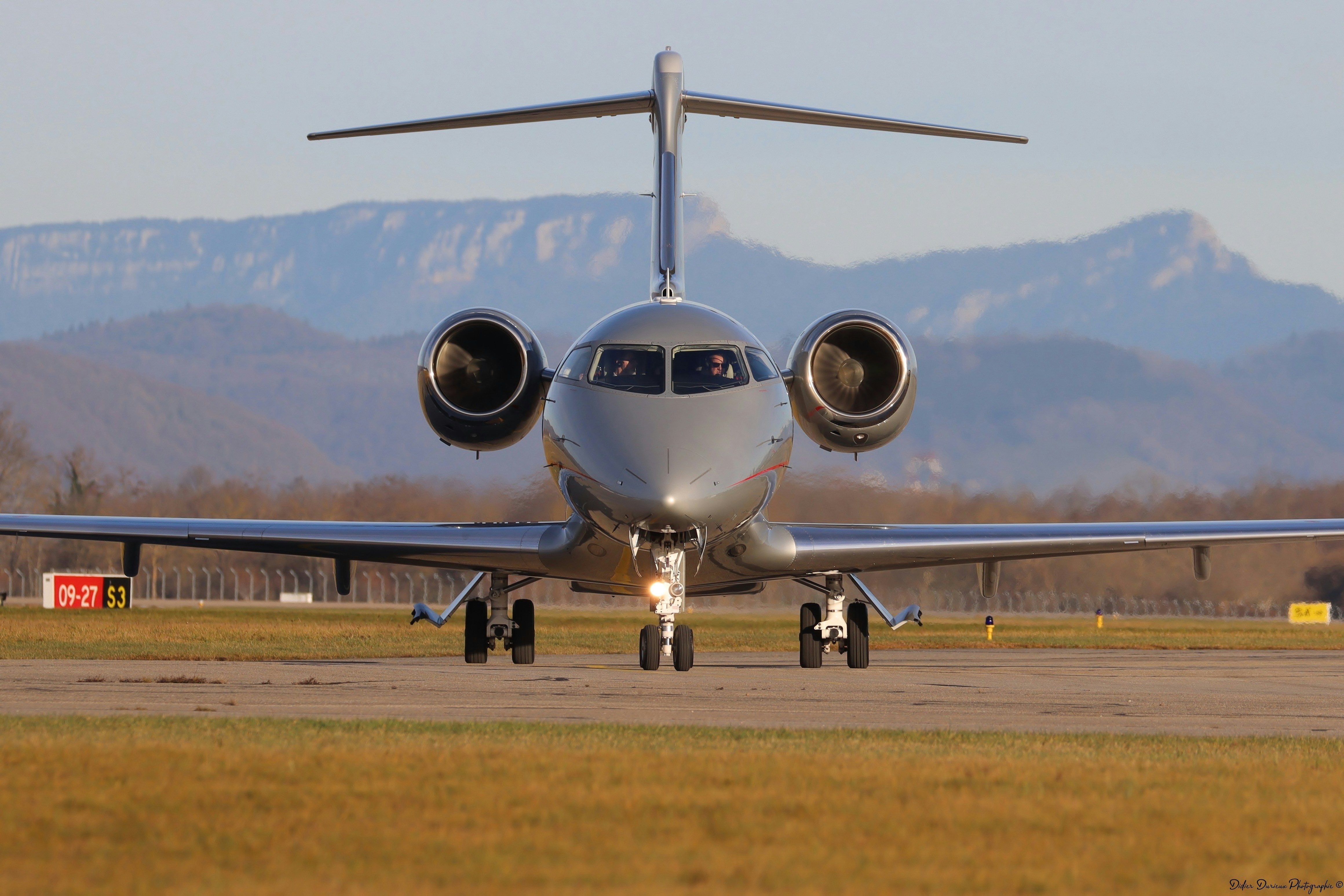
The 1970s marked a big turning level with the introduction of enterprise jets, which made private air travel more accessible to a broader range of companies. The rise of fractional possession programs within the 1980s allowed individuals and companies to buy shares in aircraft, additional democratizing access to private aviation.
Advantages of Private Air Flights
- Time Effectivity: Certainly one of the primary advantages of private air travel is the numerous time savings it offers. Private flights enable travelers to bypass lengthy security strains, check-in procedures, and layovers related to industrial airways. This effectivity is especially advantageous for enterprise travelers who want to maximise their time.
- Flexibility: Private flights provide unparalleled flexibility in scheduling. Travelers can depart and arrive at their convenience, selecting from a wider range of airports, together with smaller regional airports that may not be serviced by commercial airways. This flexibility can lead to vital savings in time and logistics.
- Privacy and Comfort: Private air travel offers a degree of privateness and consolation that is unmatched in commercial aviation. Passengers can conduct confidential meetings, relax in luxurious surroundings, and get pleasure from customized providers tailor-made to their preferences.
- Security: Whereas business airlines have rigorous security protocols, private flights typically function below strict safety standards as nicely. Many private operators maintain smaller fleets and supply dedicated upkeep teams, making certain that aircraft are in prime condition.
Market Traits
The private aviation market has experienced notable growth lately, pushed by numerous components:
- Elevated Wealth: The rise of excessive-net-worth individuals (HNWIs) globally has led to a higher demand for private air travel. As extra folks accumulate wealth, the need for personalised journey experiences has surged.
- COVID-19 Pandemic: The COVID-19 pandemic significantly impacted the aviation business, leading to a surge in private flight bookings. Travelers sought safer alternatives to business airways, resulting in elevated interest in private charters and fractional possession.
- Technological Advancements: Innovations in aviation know-how have led to the event of extra gas-environment friendly and cost-efficient aircraft. Additionally, advancements in booking platforms and cell purposes have made it simpler for customers to entry private flights.
- Sustainability Concerns: As environmental awareness grows, many private aviation companies are investing in sustainable practices, together with the use of biofuels and extra efficient aircraft designs. This trend is prone to affect consumer preferences in the coming years.
Regulatory Setting
The private aviation trade operates under a complex regulatory framework that varies by nation. Within the United States, the Federal Aviation Administration (FAA) oversees private air travel, establishing safety standards and rules for each commercial and private flights.
Key regulatory considerations embody:
- Aircraft Certification: All aircraft should meet specific safety and operational requirements before they can be utilized for private flights. This contains regular inspections and upkeep checks.
- Pilot Licensing: Pilots operating private flights should hold appropriate licenses and certifications, guaranteeing that they are educated to handle varied flight conditions and emergencies.
- Airspace Regulations: Private flights must comply with airspace laws, together with filing flight plans and adhering to controlled airspace rules. This ensures safe and environment friendly administration of air traffic.
- International Journey: Private flights that cross worldwide borders must comply with the laws of both the departure and vacation spot nations. This contains customs and immigration procedures, which might differ considerably.
Future Outlook
The way forward for private air travel seems promising, with several tendencies more likely to form the trade:
- Elevated Accessibility: As expertise continues to evolve, it is expected that private air travel will become extra accessible to a broader viewers. Innovations reminiscent of on-demand charter providers and shared flight choices may attraction to those who previously considered private aviation as a luxury reserved for the wealthy.
- Sustainability Initiatives: The push for sustainability will seemingly drive funding in greener technologies and practices inside the private aviation sector. Firms that prioritize environmentally friendly solutions might acquire a competitive edge out there.
- Enhanced Buyer Experience: As competitors within the private aviation market intensifies, firms will give attention to enhancing the customer experience. This will embrace personalised providers, improved in-flight amenities, and seamless booking processes.
- Regulatory Developments: As the trade evolves, regulatory our bodies will proceed to adapt to new applied sciences and practices. This may increasingly result in changes in safety laws, airspace administration, and worldwide travel protocols.
Conclusion
Private air flights signify a major section of the aviation business, offering unique advantages in terms of time efficiency, flexibility, privateness, and security. Because the market continues to develop and evolve, driven by technological advancements and changing consumer preferences, private aviation is poised to play an more and more important position in world transportation. Understanding the dynamics of this trade is important for stakeholders, together with operators, regulators, and travelers, as they navigate the way forward for air journey.
No listing found.