
sherrill49y00
About sherrill49y00
The Rise of Private Jet Trips: An In-Depth Study
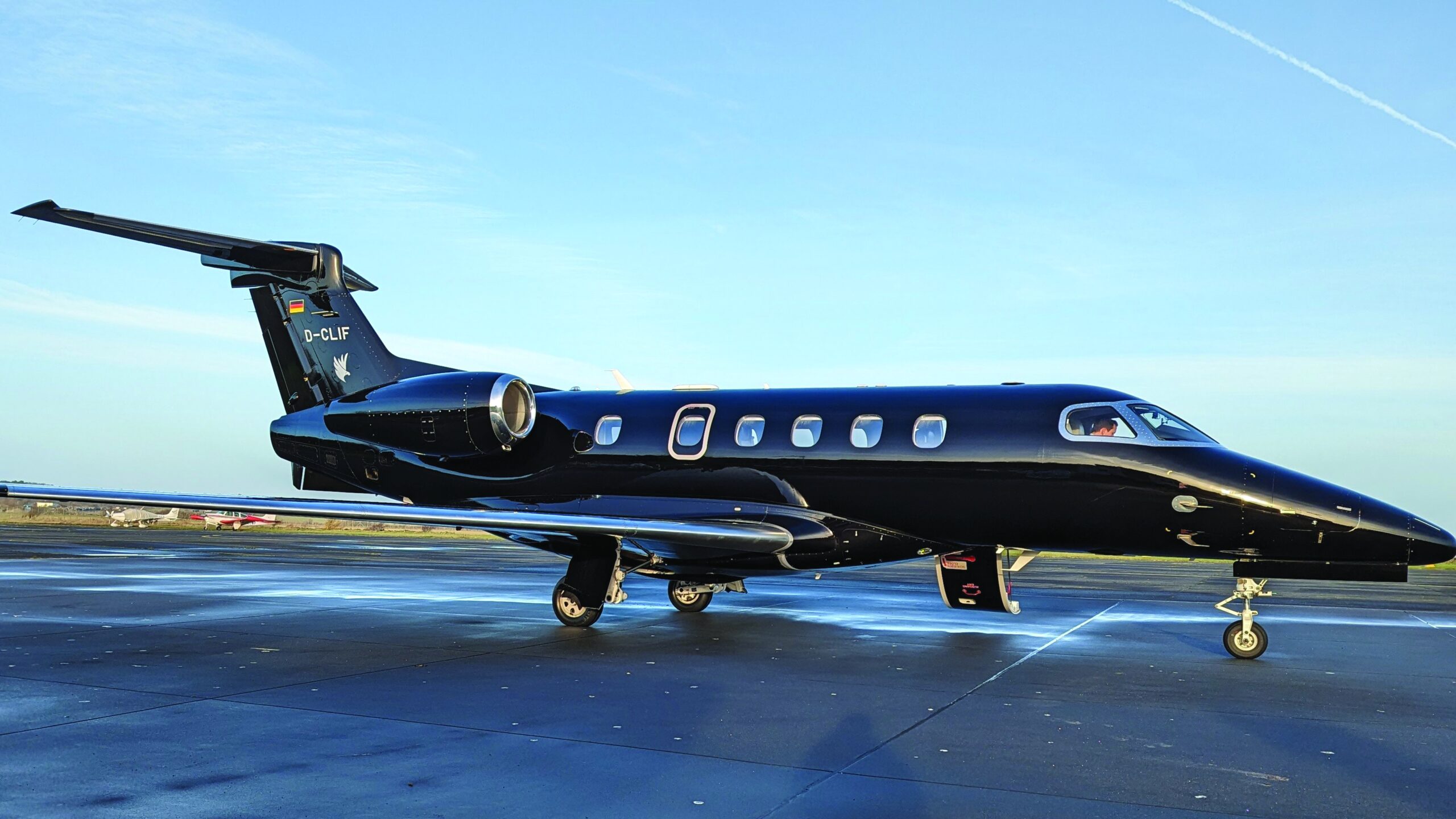
The aviation industry has seen a significant transformation over the past few decades, with private jet travel emerging as a prominent choice for business executives, celebrities, and affluent individuals. This report delves into the multifaceted aspects of private jet trips, including their advantages, the market dynamics, environmental considerations, and the future outlook for this exclusive mode of transportation.
Overview of Private Jet Travel
Private jet travel refers to the use of aircraft that are not available for commercial airline service. These jets are typically owned by individuals, corporations, or charter companies and offer a level of luxury, convenience, and privacy that commercial flights cannot match. The allure of private jet travel lies in its ability to provide a tailored experience, allowing passengers to travel on their own schedule, avoid long security lines, and access thousands of airports worldwide.
Advantages of Private Jet Travel
- Time Efficiency: One of the most significant advantages of private jet travel is time savings. Passengers can arrive at the airport just minutes before departure, bypassing the lengthy check-in and security processes associated with commercial flights. Additionally, private jets can access smaller airports closer to the final destination, reducing overall travel time.
- Flexibility and Convenience: Private jets offer unparalleled flexibility in scheduling. Travelers can change their itineraries at a moment’s notice, accommodating last-minute business meetings or personal commitments. This adaptability is particularly valuable for corporate executives who need to maximize productivity.
- Privacy and Comfort: For high-profile individuals, privacy is paramount. Private jets provide a secluded environment where passengers can conduct meetings, relax, or enjoy quality time with family and friends without the prying eyes of the public. The interiors of private jets are often designed with luxury in mind, featuring spacious cabins, gourmet catering, and personalized service.
- Safety and Health: In light of the COVID-19 pandemic, many travelers have turned to private jets to minimize exposure to potential health risks associated with crowded commercial flights. Private jets offer a controlled environment, with fewer people on board and strict cleanliness protocols, making them an attractive option for health-conscious travelers.
Market Dynamics
The private jet market has experienced significant growth in recent years. According to the National Business Aviation Association (NBAA), the number of business jets in operation has steadily increased, with more than 22,000 jets registered in the United States alone. This growth can be attributed to several factors:

- Increased Wealth: The rise of the global wealthy class has contributed to the demand for private jet travel. High-net-worth individuals are increasingly seeking exclusive travel options that align with their lifestyles.
- Charter Services: The emergence of on-demand charter services has made private jet travel more accessible to a broader audience. Companies such as NetJets, Flexjet, and Wheels Up offer fractional ownership and jet card programs, allowing customers to enjoy the benefits of private flying without the full financial commitment of owning a jet.
- Technological Advancements: Innovations in aviation technology have led to the development of more fuel-efficient and environmentally friendly jets, making private travel more sustainable. Additionally, advancements in booking platforms and mobile apps have simplified the process of chartering a private jet, enhancing user experience.
Environmental Considerations
While private jet travel offers numerous benefits, it is not without its criticisms, particularly regarding its environmental impact. Private jets are known for their high carbon emissions, with some studies indicating that they can produce up to 14 times more emissions per passenger than commercial flights. As awareness of climate change grows, there is increasing pressure on the aviation industry to adopt more sustainable practices.
- Offsetting Carbon Emissions: Many private jet companies are implementing carbon offset programs, allowing passengers to contribute to environmental initiatives that counterbalance their flight emissions. This can include investing in renewable energy projects, reforestation efforts, and other sustainability initiatives.
- Sustainable Aviation Fuel (SAF): The use of sustainable aviation fuel is gaining traction in the industry. SAF is produced from renewable resources and can significantly reduce the carbon footprint of flights. Several private jet operators are exploring partnerships with fuel suppliers to incorporate SAF into their operations.
- Regulatory Changes: Governments worldwide are increasingly focusing on environmental regulations for aviation. This has led to discussions about imposing stricter emissions standards and encouraging the adoption of greener technologies in private aviation.
The Future of Private Jet Travel
The future of private jet travel appears promising, with several trends shaping its trajectory:
- Increased Demand for On-Demand Services: The convenience of on-demand charter services is likely to drive continued growth in the private jet market. As more individuals become accustomed to the flexibility and ease of booking private flights, demand is expected to rise.
- Technological Integration: The integration of technology into private aviation will continue to enhance the customer experience. For more regarding privatejetscharter.review look into our own site. From advanced booking systems to in-flight connectivity and entertainment options, technology will play a crucial role in shaping the future of private jet travel.
- Focus on Sustainability: As environmental concerns become more pressing, the private aviation industry will need to prioritize sustainability. This may involve investing in cleaner technologies, adopting more efficient operational practices, and increasing transparency regarding emissions.
- Emergence of Electric and Hybrid Aircraft: The development of electric and hybrid aircraft presents a potential game-changer for the private jet market. These innovations could significantly reduce the environmental impact of private flying, making it a more appealing option for eco-conscious travelers.
Conclusion
Private jet travel has established itself as a luxurious and efficient mode of transportation, appealing to a diverse clientele seeking convenience, privacy, and flexibility. While the industry faces challenges related to environmental sustainability, ongoing advancements in technology and a growing emphasis on eco-friendly practices will likely shape its future. As the demand for private jet trips continues to rise, it will be essential for the industry to balance luxury with responsibility, ensuring that this exclusive form of travel remains viable in an increasingly environmentally-conscious world.
No listing found.